A look inside New Lit City’s approach to character design with AI
You can have a clear picture in your head and still struggle to explain it. The eyes are almost right. The expression is too friendly. The hair looks like yarn. The image looks finished, but the character doesn’t feel like yours yet.
That’s where creative direction comes in.
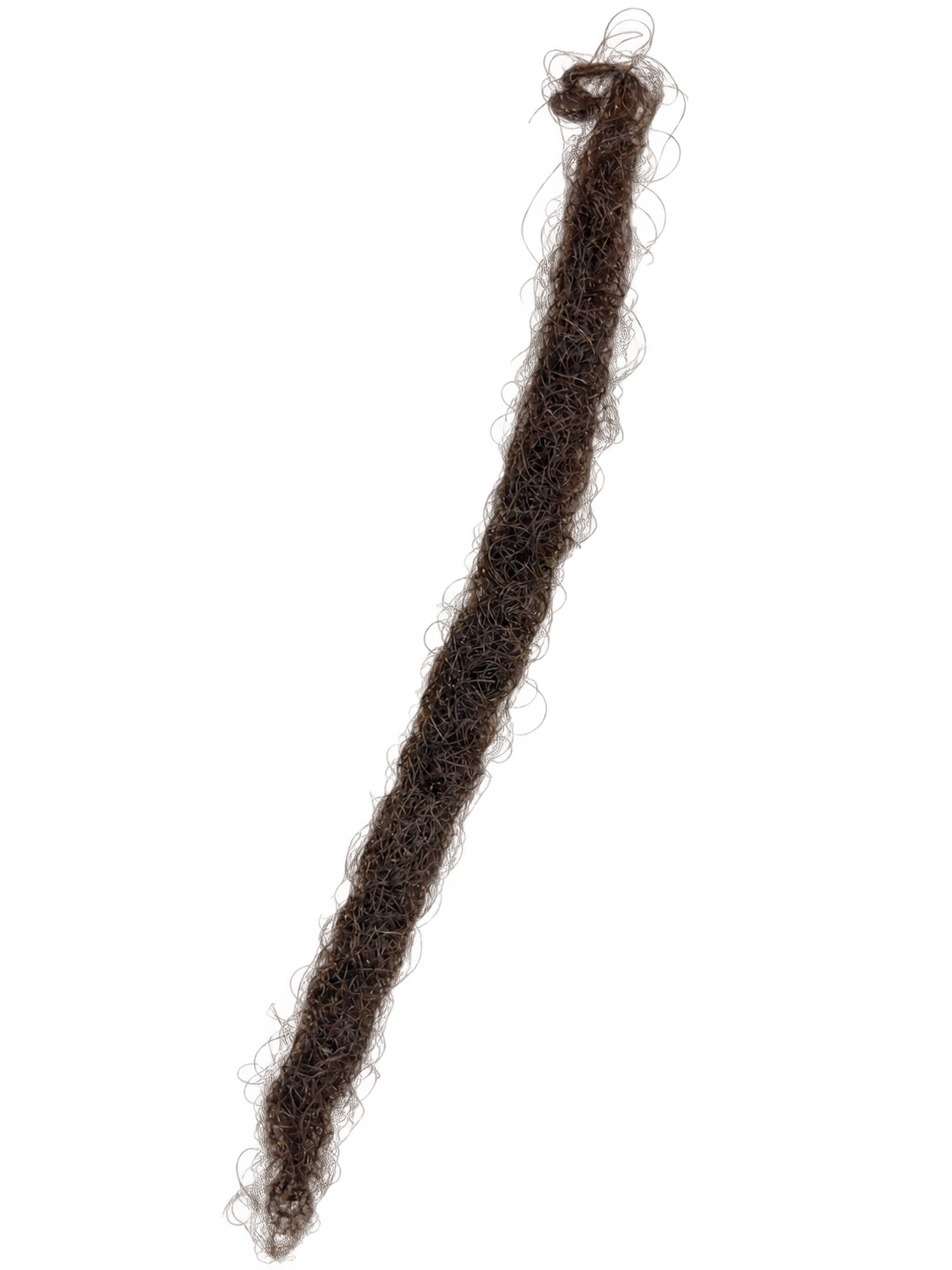
At New Lit City, developing Teritozi—a living loc with a sarcastic personality—gave us plenty of opportunities to work through that gap. The inspiration came from a real loc our founder cut because it needed a trim. The bigger challenge was deciding how its personality should look, sound, and carry across different images.
Here’s how we approached it, and how you can bring more intention to your own character experiments.
Give the character something to say
Before describing the eyes or choosing a visual style, decide who you’re creating.
What does the character care about? How do they react when something annoys them? What kind of humor comes naturally to them? What should someone understand before the character even speaks?
Tozi’s purpose is to explore loc culture, Black identity, and everyday experiences through humor. They’re smart, sarcastic, and a little too confident. Those decisions gave us something concrete to work toward when judging an expression or writing a line of dialogue.
Try writing a short character brief first. Include their purpose, personality, audience, and a typical reaction to a situation. That gives the visual design a starting point.
Turn personality into visible choices
“Make them sarcastic” describes an impression. You still need to decide what look creates it.
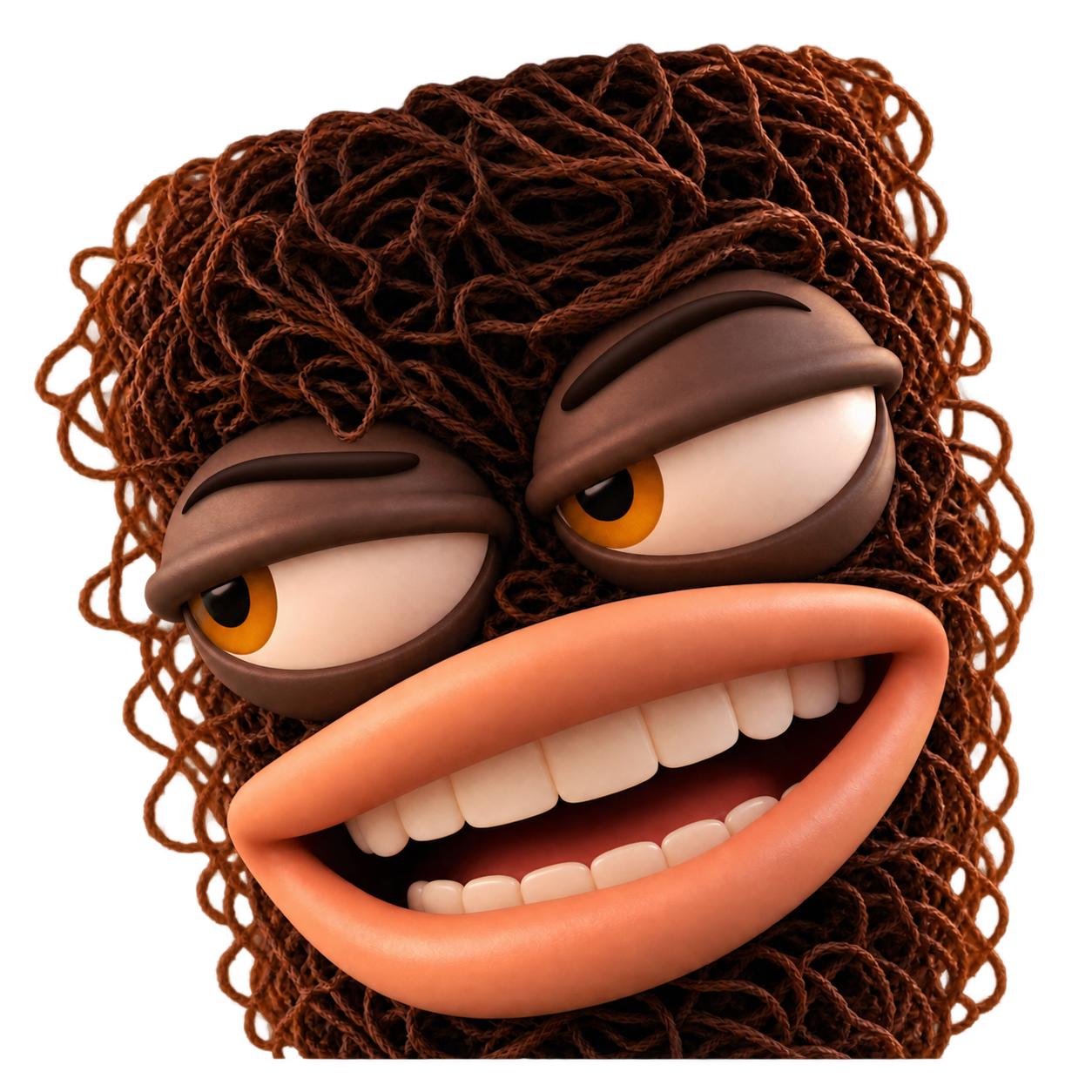
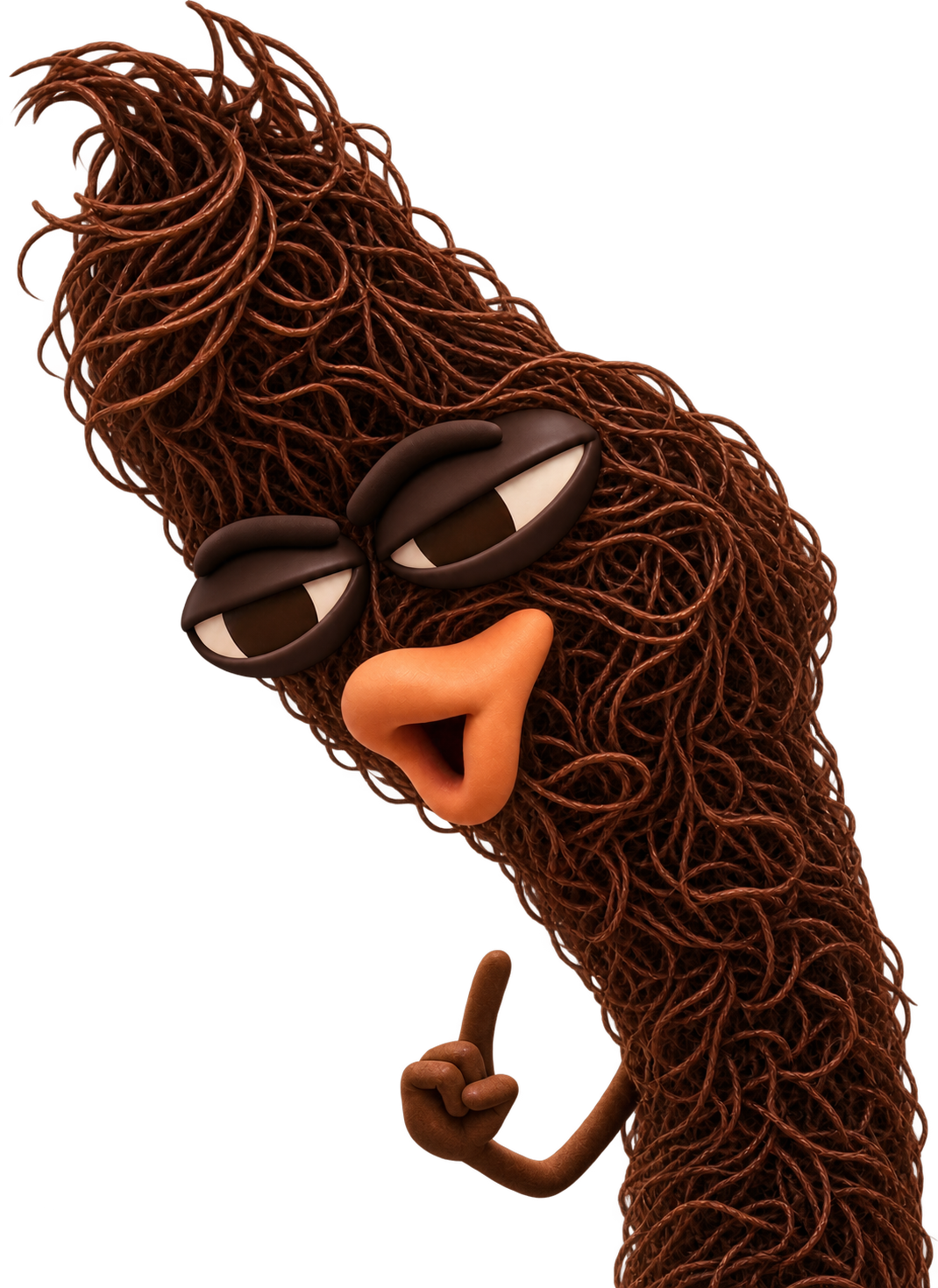
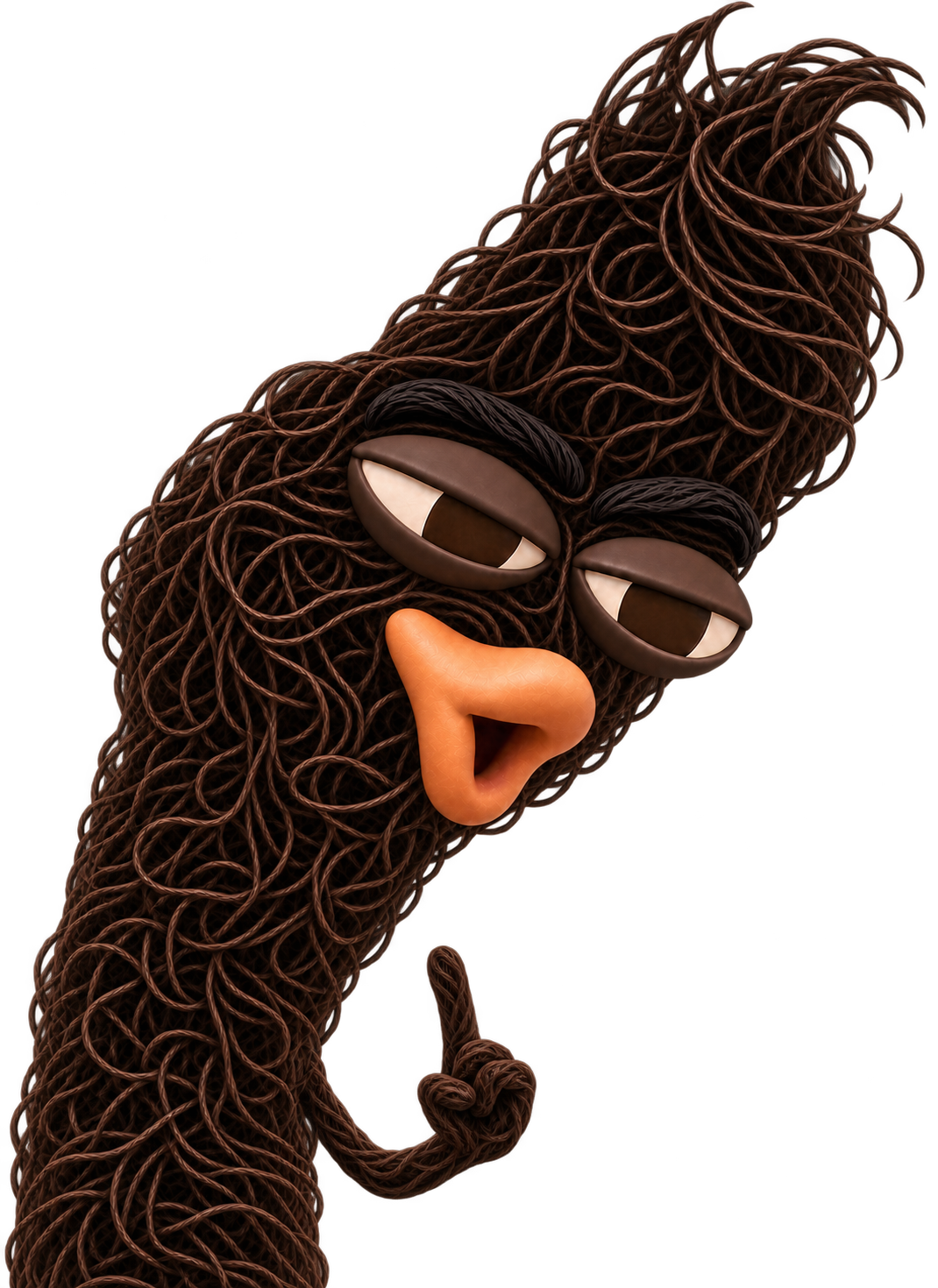
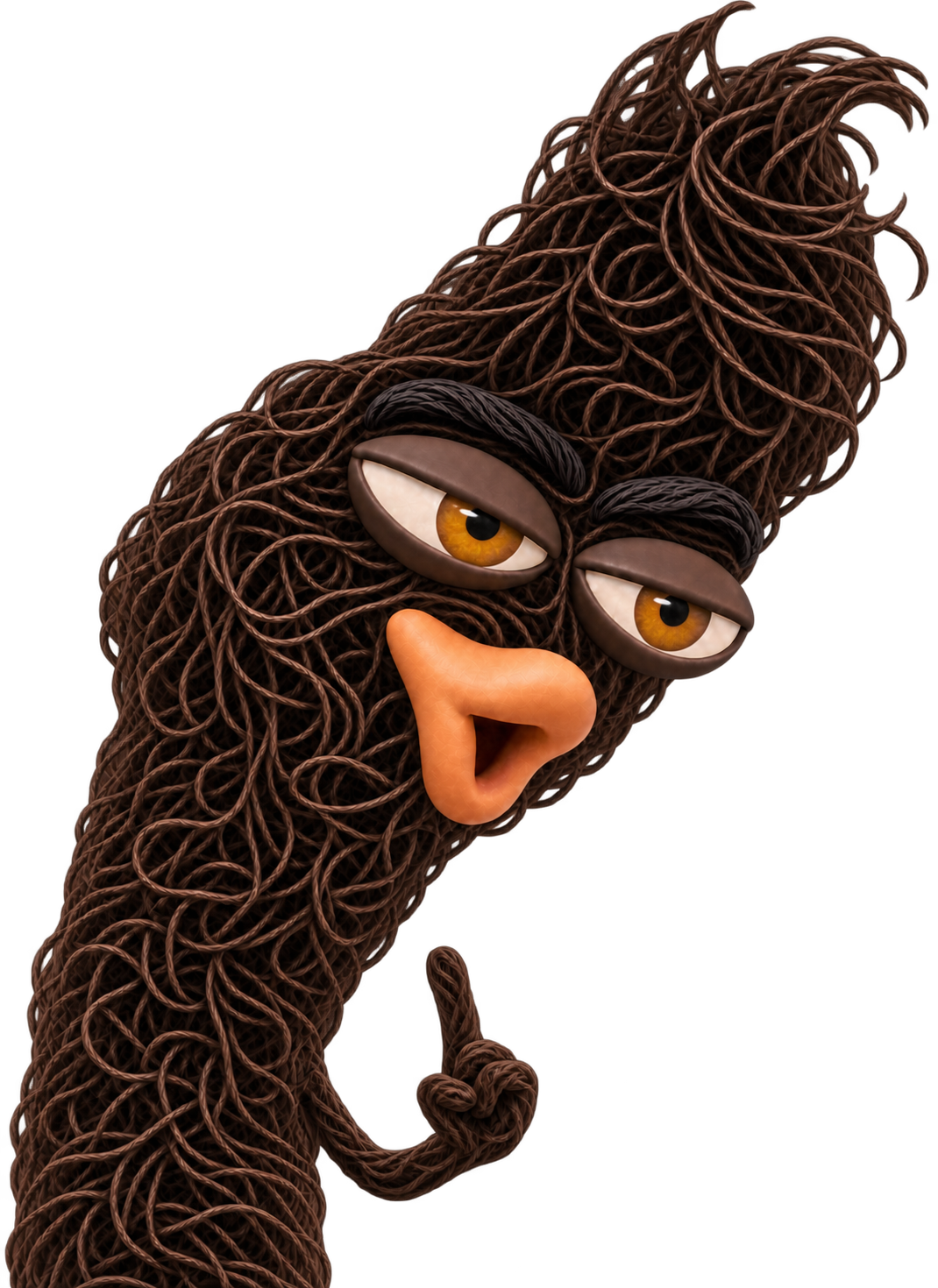
For Tozi, we explored half-lidded eyes, an uneven brow, and a knowing smirk. A raised finger could suggest they were about to explain something—with opinions attached.
Here’s an example of how that thinking can become a prompt:
Create a living loc with half-lidded eyes, one eyebrow slightly raised, and a small, knowing smirk. Their expression should suggest they’ve already thought of a comeback. Keep the pose relaxed.
The useful part is connecting a personality trait to a visible decision. Choose expressions and gestures that fit your character’s own story.
Describe the detail you actually mean
Texture became one of our biggest sticking points. We wanted hair. Several versions looked like braided rope, fuzzy yarn, or thick smooth noodles.
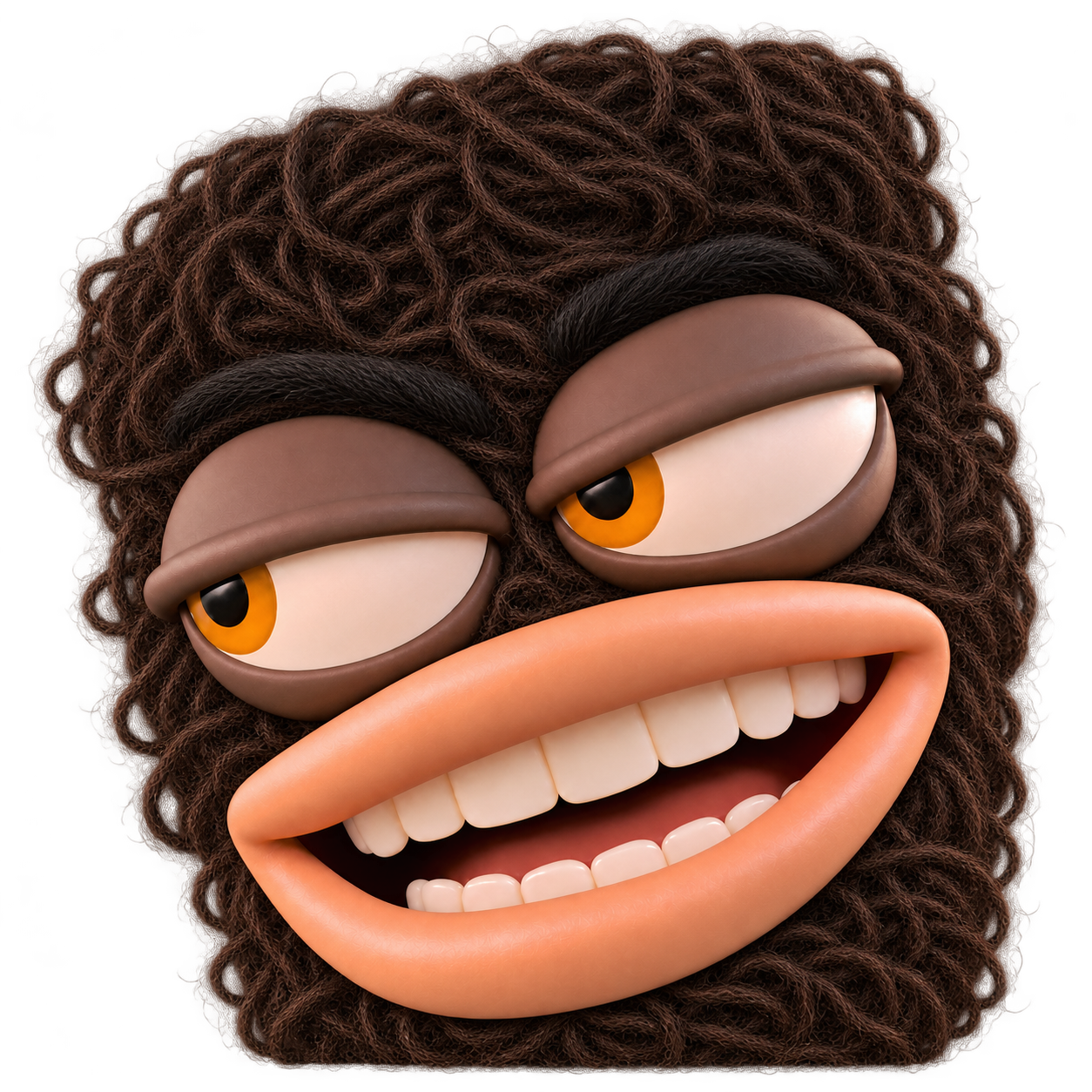
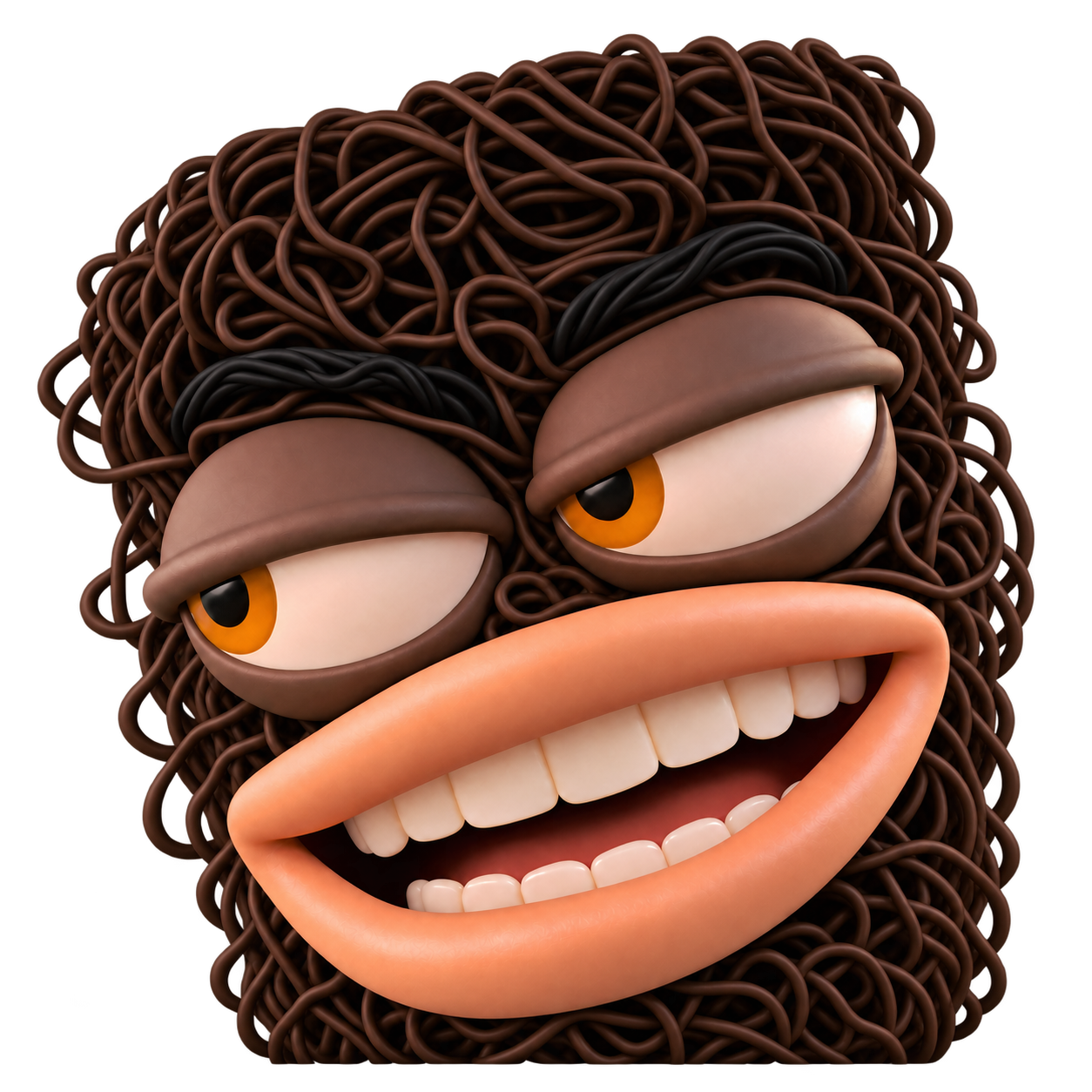
“Make it more realistic” left too much of the decision unexplained. We needed to describe the strands themselves: their thickness, surface, movement, and relationship to the darker mass underneath.
An example refinement:
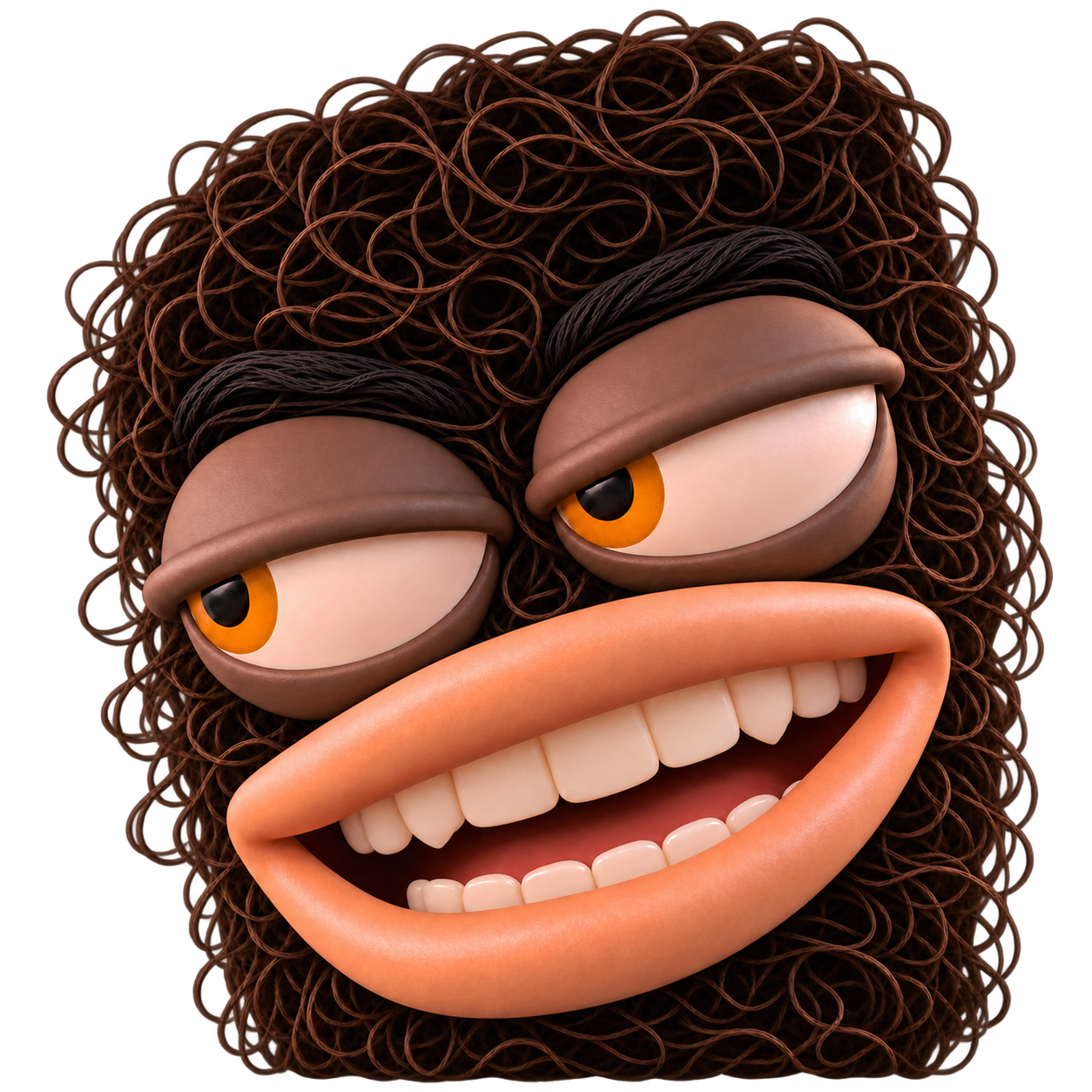
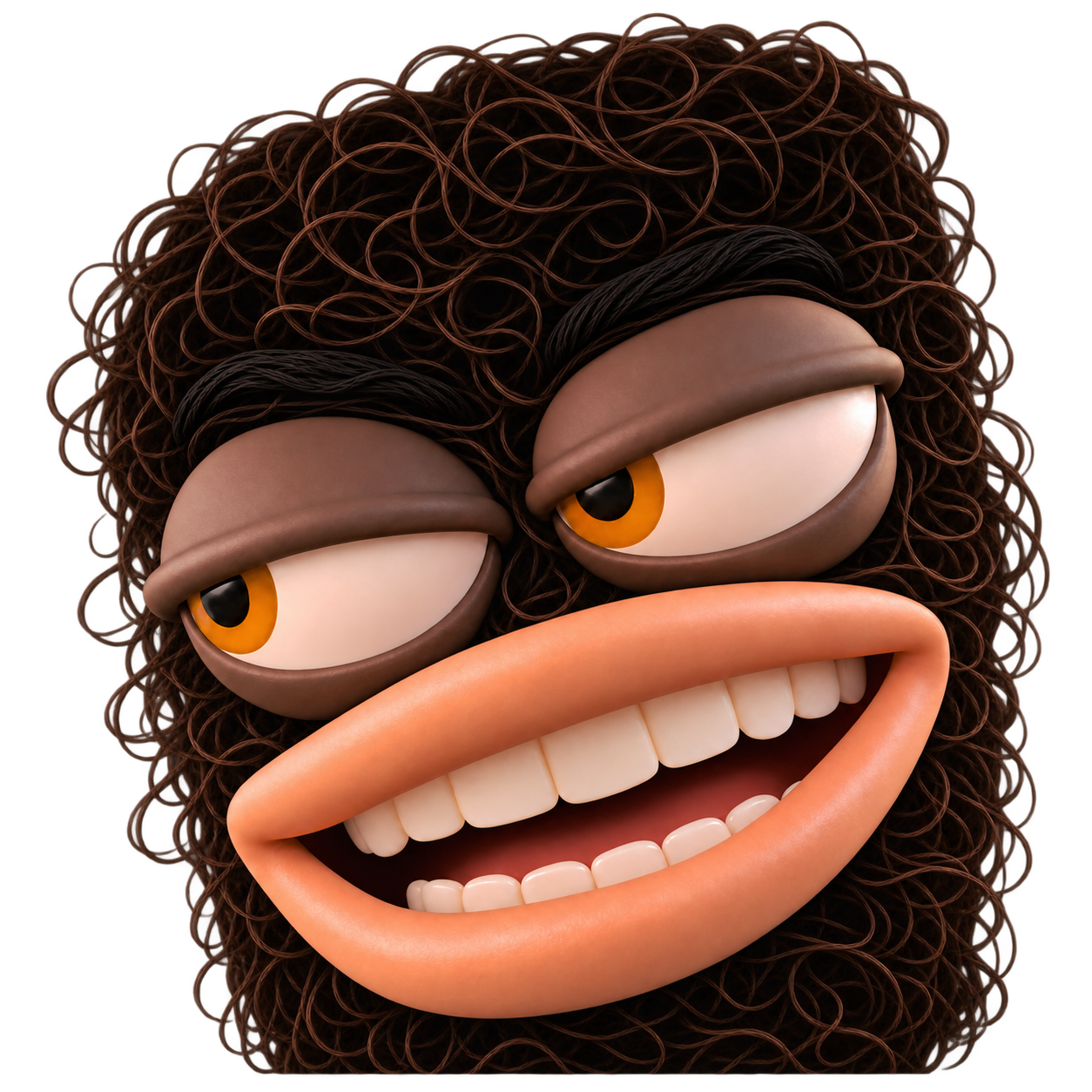
Use many thin, smooth, individual brown hair strands forming irregular loose loops over a dense, dark core. Keep subtle highlights on the strands. Remove the braided ridges within each strand.
Pairing that description with a close-up reference helped us communicate the distinction we were trying to make. When using references, explain what each one is for: texture, expression, pose, or color. Otherwise, it’s easy for the direction to become muddled.
Give each revision a clear job
When the eyes, mouth, color, and texture all need attention, it’s tempting to ask for every fix at once.
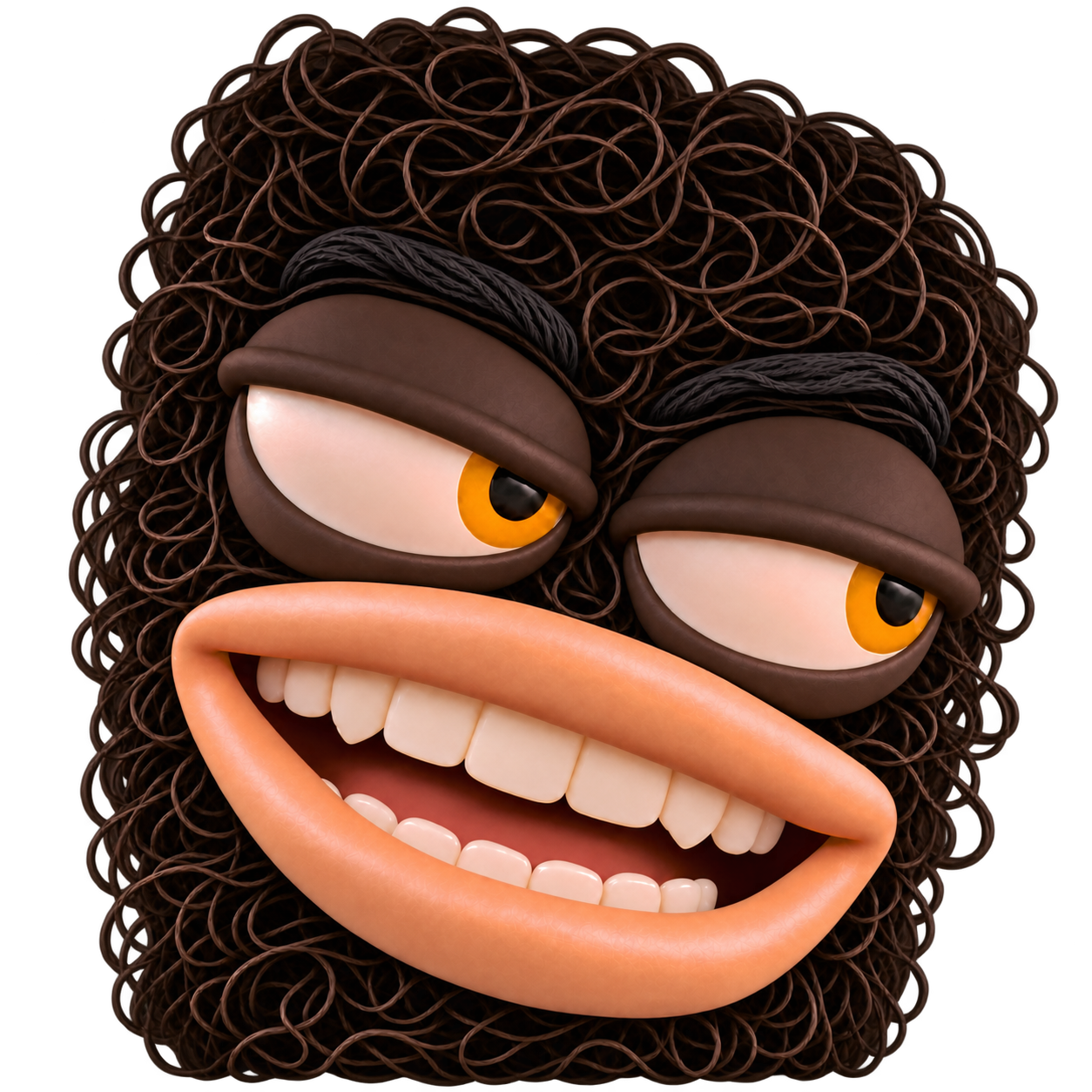
We found it easier to assess progress when each revision had a specific job. Darken the hair. Move the eyebrows above the eyelids. Adjust the canines. Then compare the result with the previous version.
For example:
Change only the eyebrows. Place them in the hair above the upper eyelids, leaving a visible gap. Use the same thin hair texture as the body, in a darker shade. Preserve the eyes, mouth, pose, and framing.
That instruction states both the change and the details worth protecting. It still needs review: an edit can shift other parts of the image, even when you ask it to preserve them.
Know what belongs to the character
Once a version feels right, keep it as a reference. Record the details that make the character recognizable, such as eye color, silhouette, strand texture, and the way their mouth rests.
Then check those details as you explore different poses and expressions. Tozi can be amused, annoyed, or mid-sentence while still feeling like the same character.
The prompt is one part of that process. Choosing references, spotting what feels wrong, and deciding what deserves another revision are creative decisions too.
A useful starting point for your next character: write down who they are, choose three visual details that express it, and give your first revision one clear task.
At New Lit City, that process began with a piece of hair. What small idea have you been sitting on?
See Tozi in action on TikTok: @idreadu.